






 |
|
|
0700 4 55 66
на цената на един
градски разговор |
 |
 |
 |
 |

Търсене на: Color and light |
 |
English Collocations in Use - Intermediate: Помагало по английски език : Second Edition Michael McCarthy, Felicity O'Dell |
||
|
Цена: 31.90 €
|
|||
 |
|||
| How words work together for fluent and natural English. ... Поредицата в две части представя стотици колокации (варианти за съчетаване ... |
|||
 | |||
 |
Caravaggio Gilles Lambert |
||
|
Цена: 18.90 €
|
|||
|
|||
| Michelangelo Merisi da Caravaggio (1571 - 1610) was always a name to be reckoned with. Notorious bad boy of the Italian Baroque, the ... |
|||
| |||
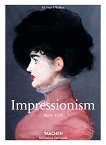 |
Impressionist 1860 - 1920 Ingo F. Walther |
||
|
Цена: 25.90 €
|
|||
 Продуктът е представен с вътрешни страници |
|||
| It was a dappled and daubed harbor scene that gave Impressionism its name. When Impression, Sunrise by Claude Monet was exhibited in ... |
|||
| |||
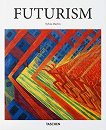 |
Futurism Sylvia Martin |
||
|
Цена: 18.90 €
|
|||
| With motion and machines as its most treasured tropes, Futurism was founded in 1909 by Filippo Tommaso Marinetti, along with painters ... |
|||
| |||
 |
Velazquez. The Complete Works Jose Lopez-Rey, Odile Delenda |
||
|
Цена: 184.90 €
|
|||
Продуктът е представен с вътрешни страници |
|||
| Manet called him "the greatest painter of all." Picasso was so inspired by his masterpiece "Las Meninas" that he ... |
|||
| |||
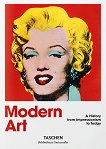 |
Modern Art: A History from Impressionism to Today Hans Werner Holzwarth |
||
|
Цена: 25.90 €
|
|||
|
|||
| Over 200 paintings, sculptures, photographs, and conceptual pieces trace the story of modern art's innovation and adventure. With ... |
|||
| |||
 |
Professional Communication in English: Medical Opticians Ilina Doykova, Valentina Yordanova |
||
|
Цена: 28.12 €
|
|||
|
|||
| Language barriers in the healthcare can lead to misunderstandings and/or errors, especially when circumstances require health care ... |
|||
| |||
 |
Genesis. Sebastiao Salgado Lelia Wanick Salgado |
||
|
Цена: 99.90 €
|
|||
|
|||
| "In Genesis, my camera allowed nature to speak to me. And it was my privilege to listen." Sebastiao Salgado On a very ... |
|||
| |||
 |
Star Spinner Tarot | ||
|
Цена: 25.00 €
|
|||
 Възможна е експресна доставка на следващ работен ден, до офис на Еконт. Продуктът е представен с вътрешни страници |
|||
| 81 cards and guidebook by Trungles. Let the stars light your way... Enter a world where fairies play, mermaids yearn, and threads of ... |
|||
| |||
 |
Genesis. Sebastiao Salgado Lelia Wanick Salgado |
||
|
Цена: 18.90 €
|
|||
Продуктът е представен с вътрешни страници |
|||
| "In Genesis, my camera allowed nature to speak to me. And it was my privilege to listen." Sebastiao Salgado On a very ... |
|||
| |||
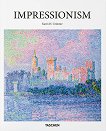 |
Impressionism Karin H. Grimme |
||
|
Цена: 22.90 €
|
|||
| Discover how scenes of daily life and delicate dabs of color shocked the art world establishment. In this Taschen Basic Art ... |
|||
| |||
 |
Can You Get Rainbows in Space? Dr. Sheila Kanani |
||
|
Цена: 11.25 €
|
|||
Продуктът е представен с вътрешни страници |
|||
| A Colourful Compendium of Space and Science. Why is blood red? Why are carrots orange? Who invented the lightbulb? Why is the world ... |
|||
| |||||||
| |||||||
| |||||||
| |||||||
| |||||||
| |||||||
| |||||||
| |||||||
| |||||||
| |||||||
| |||||||
| |||||||
| |||||||
| |||||||
| |||||||
| |||||||
| |||||||
| |||||||
| |||||||
| |||||||
| |||||||
| |||||||
|




|
|
|
0700 4 55 66
на цената на един
градски разговор |
|
|
© 1999 - 2026 store.bg всички права запазени - Общи условия | Политика за личните данни Използваните в "Книги" текстови, графични и други материали са собственост на носителите на авторските им права. Всяко копиране и репродуциране на информация, представена в този сайт, е равносилно на безусловно приемане на общите условия и определените в тях лицензни условия за ползване. |