


 |
|
|
0700 4 55 66
на цената на един
градски разговор |
 |
 |
 |
 |

Търсене на: Rousseau |
 |
Rousseau Cornelia Stabenow |
||
|
Цена: 36.90 лв. / 18.87 €
|
|||
 | |||
 |
Wild Card Elsie Silver |
||
|
Цена: 22.90 лв. / 11.71 €
|
|||
| |||
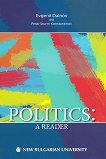 |
Politics: А Reader Evgenii Dainov, Petar Sturm Konstantinov |
||
|
Цена: 40.00 лв. / 20.45 €
|
|||
 Възможна е експресна доставка на следващ работен ден, до офис на Еконт.  Продуктът е представен с вътрешни страници |
|||
| |||||||
| |||||||
| |||||||
| |||||||
|









|
|
|
0700 4 55 66
на цената на един
градски разговор |
|
|
© 1999 - 2024 store.bg всички права запазени - Общи условия | Политика за личните данни Използваните в "Книжарница - Книги за всеки!" текстови, графични и други материали са собственост на носителите на авторските им права. Всяко копиране и репродуциране на информация, представена в този сайт, е равносилно на безусловно приемане на общите условия и определените в тях лицензни условия за ползване. |