






 |
|
|
0700 4 55 66
на цената на един
градски разговор |
 |
 |
 |
 |

Търсене на: ulysess |
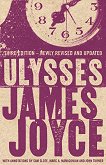 |
Ulysses James Joyce |
||
|
Цена: 8.64 €
|
|||
| Controversial, scandalous, erudite and funny, Ulysses is undisputedly a landmark of twentieth-century modernism. It charts one day - ... |
|||
 | |||
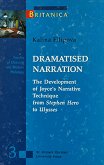 |
Dramatised Narration Калина Филипова |
||
|
Цена: 5.11 €
|
|||
| The development of Joyce's Narrative Technique from Stephen Hero to Ulysses. | |||
| |||
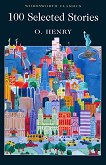 |
100 Selected Stories O. Henry |
||
|
Цена: 6.90 €
|
|||
  Възможна е експресна доставка на следващ работен ден, до офис на Еконт.  Продуктът е представен с вътрешни страници |
|||
| This selection of a hundred of O. Henry's succinct tales displays the range, humour and humanity of a perennially popular short- ... |
|||
| |||||||
| |||||||
| |||||||
| |||||||
|




|
|
|
0700 4 55 66
на цената на един
градски разговор |
|
|
© 1999 - 2026 store.bg всички права запазени - Общи условия | Политика за личните данни Използваните в "Книги" текстови, графични и други материали са собственост на носителите на авторските им права. Всяко копиране и репродуциране на информация, представена в този сайт, е равносилно на безусловно приемане на общите условия и определените в тях лицензни условия за ползване. |