











 |
|
|
0700 4 55 66
на цената на един
градски разговор |
 |
 |
 |
 |


 Книги Филология и езикознание Чуждоезична литература Изкуство и дизайн Illustration Now! Portraits - Steven Heller
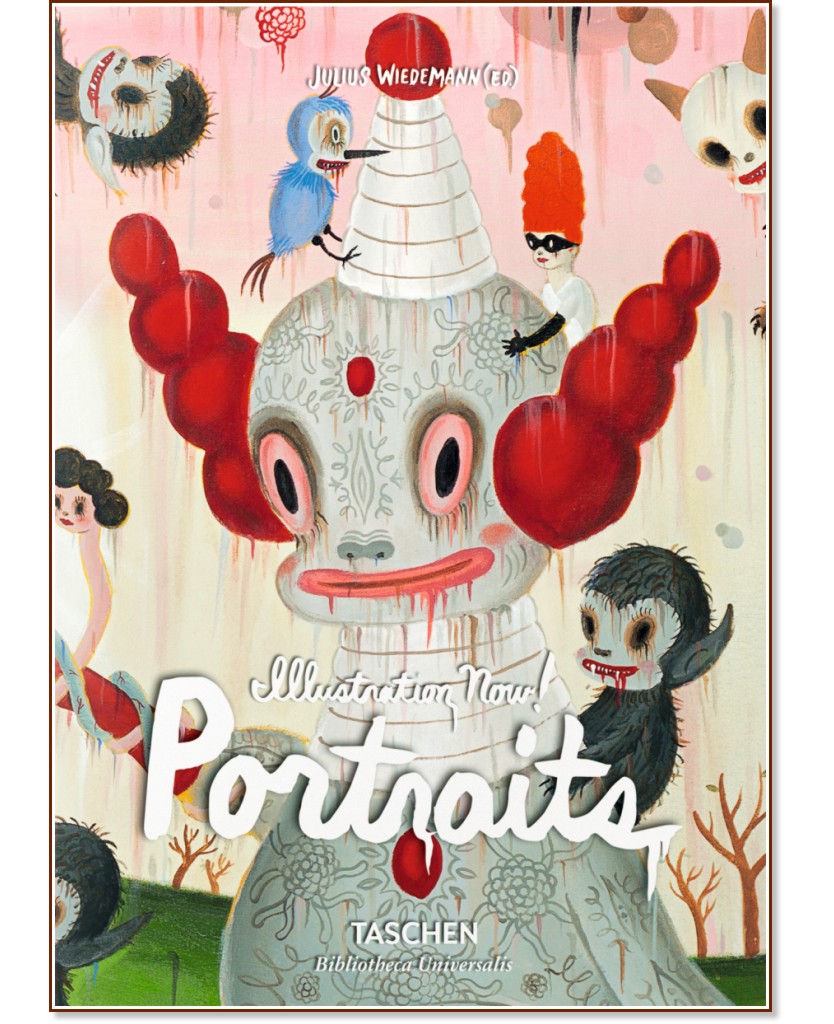

| В момента тази книга не може да бъде доставена. | ||
Основни параметри: | ||
| Продукт | #204-764 | |
| Вид | Книга | |
| Наличност | ||
| Издадена | 2016 г. | |
| Издателство | Taschen | |
| Категории | ||
| Език | Английски | |
| Корица | Твърда | |
| Страници | 584 | |
| ISBN | 9783836556606 | |


Още снимки на тази книга Разтвор на книгата Разтвор на книгата |
 |
Illustration Now! PortraitsSteven Heller Доставка:
Основни параметри:
|
||||||||||||||||||||||||||||||||||
| |||||||
 | |||||||
| |||||||
| |||||||
| |||||||
| |||||||
| |||||||
| |||||||
| |||||||
|
"A book of very beautiful, diverse signatures."
Design Week, London
 Рейтинг: 8.75 / 4 гласа
 | За да оцениш книгата "Illustration Now! Portraits", избери цифрата отговаряща на твоята оценка по десетобалната система: |
|
Ако искаш да си първият дал мнение за тази книга, направи го сега! |
Важна информация! Мненията, които най-добре описват книгата, ще бъдат видими при всяко посещение на страницата. За да видиш всички останали мнения, натисни бутона "Покажи всички мнения". Без предупреждение ще бъдат изтривани коментари с обидно, расистко, клеветническо или друго съдържание, което нарушава добрия тон. |
 |
Modern Architecture A - Z | ||
|
Цена: 25.90 €
|
|||
 |
|||
| With more than 280 entries, this architectural A - Z, now part of our Bibliotheca Universalis series, offers an indispensable ... |
|||
| |||
 |
The World of Ornaments. The Complete Plates A. Racinet, A. Dupont - Auberville |
||
|
Цена: 25.90 €
|
|||
 Възможна е експресна доставка на следващ работен ден, до офис на Еконт. |
|||
| Die Welt der Ornamente. L'Univers de L'ornement. Multilingual Edition: English, French, German. ... Discover a world of ... |
|||
| |||
 |
Bauhaus Magdalena Droste |
||
|
Цена: 25.90 €
|
|||
| Updated Edition. ... This handy, updated edition explores the Bauhaus School of Art and Design through some 575 illustrations and ... |
|||
| |||
 |
1000 Record Covers Michael Ochs |
||
|
Цена: 25.90 €
|
|||
| Multilingual Edition (English, French, German). ... Album art from the 1960s to the 90s. Record covers are a sign of our life and ... |
|||
| |||
 |
Monet. The Triumph of Impressionism Daniel Wildenstein |
||
|
Цена: 25.90 €
|
|||
Възможна е експресна доставка на следващ работен ден, до офис на Еконт. |
|||
| Master of the sublime: The essential Impressionist. ... No other artist, apart from J.M.W. Turner, tried as hard as Claude Monet ( ... |
|||
| |||||||
| |||||||
| |||||||
| |||||||
|




|
|
|
0700 4 55 66
на цената на един
градски разговор |
|
|
© 1999 - 2026 store.bg всички права запазени - Общи условия | Политика за личните данни Използваните в представянето на книгата "Illustration Now! Portraits - Steven Heller" текстови, графични и други материали са собственост на носителите на авторските им права. Всяко копиране и репродуциране на информация, представена в този сайт, е равносилно на безусловно приемане на общите условия и определените в тях лицензни условия за ползване. |